
The Silent Poison Beneath Our Cities: How Untreated Sewage Is Contaminating India's Groundwater


Introduction: A Crisis Flowing Beneath Our Feet
When people think about water pollution, they usually imagine dirty rivers, plastic-filled lakes, or industrial waste flowing through canals. However, one of India's most dangerous environmental threats remains largely invisible. It exists beneath our feet, slowly spreading through underground water sources that millions of people depend on every day.
Groundwater is the backbone of India's water supply. It supports households, schools, hospitals, industries, farms, and entire communities. Yet this precious resource is under constant attack from untreated sewage, leaking septic tanks, overflowing drains, and poorly managed wastewater systems.
The frightening reality is that groundwater contamination often goes unnoticed for years. Water may appear clean, colorless, and odorless while carrying harmful bacteria, viruses, nitrates, heavy metals, and toxic chemicals. By the time contamination becomes visible, public health and environmental damage may already be severe.
India's rapid urbanization has significantly increased sewage generation, while treatment infrastructure struggles to keep pace. Studies have repeatedly shown that a large portion of sewage generated in Indian cities still enters the environment untreated, creating a direct pathway for groundwater contamination.
Understanding Groundwater: India's Hidden Lifeline
Groundwater is water stored beneath the earth's surface in underground layers known as aquifers. These aquifers act as natural reservoirs, supplying water through borewells, wells, hand pumps, and municipal systems.
India relies heavily on groundwater. Millions of rural and urban households depend on it daily for drinking, cooking, sanitation, agriculture, and industrial activities. Groundwater has traditionally been considered a reliable and relatively safe water source.
However, unlike rivers and lakes, groundwater pollution is difficult to detect and even harder to reverse. Once contaminants enter an aquifer, they may remain there for years or decades, making restoration extremely expensive and technically challenging. Groundwater pollution in India is increasingly linked to sewage disposal, industrial discharge, and urban waste management failures.
How Untreated Sewage Reaches Groundwater
Every day, homes, apartments, commercial buildings, hospitals, hotels, and industries generate enormous quantities of wastewater.
When this wastewater is not properly treated, pollutants gradually seep into the soil and eventually reach underground aquifers.
1. Leaking Septic Tanks
Many buildings continue to depend on outdated septic systems. Over time, cracks and leakages allow untreated sewage to infiltrate surrounding soil.
Pathogens, nitrates, and harmful chemicals slowly migrate downward until they reach groundwater reserves.
2. Open Discharge of Sewage
In many urban and semi-urban regions, untreated sewage is discharged into open drains, vacant land, or water bodies.
During rainfall and natural infiltration processes, contaminants move underground and pollute aquifers.
3. Aging Sewer Networks
Old sewer pipelines often develop cracks and leaks. Sewage escaping from damaged infrastructure directly contaminates surrounding soil and groundwater systems.
4. Industrial Wastewater Mixing
Industries sometimes discharge wastewater containing toxic chemicals, heavy metals, oils, and hazardous substances.
Without proper treatment, these pollutants penetrate groundwater reserves and remain there for extended periods.
5. Landfill Leachate
Unscientific waste disposal generates toxic liquid known as leachate. This highly polluted liquid seeps through soil layers and contaminates groundwater sources.
The Dangerous Pollutants Hidden in Contaminated Groundwater
Untreated sewage carries a complex mixture of pollutants capable of causing both immediate and long-term health impacts.
Harmful Bacteria
Pathogens such as E. coli and fecal coliform bacteria indicate sewage contamination and can trigger severe gastrointestinal diseases.
Viruses
Untreated sewage can contain viruses responsible for waterborne illnesses affecting entire communities.
Nitrates
Nitrate contamination is particularly dangerous for infants and pregnant women. High nitrate concentrations are often linked to sewage seepage and improper wastewater disposal.
Heavy Metals
Industrial wastewater frequently contains lead, mercury, cadmium, chromium, and arsenic. These metals accumulate in the body and may cause neurological disorders, kidney damage, and cancer.
Pharmaceutical Residues
Modern wastewater contains traces of medicines, antibiotics, detergents, and personal care products that eventually enter groundwater systems.
Emerging Pollutants
Microplastics and persistent chemicals are increasingly being detected in water sources worldwide, raising concerns about future health risks.
The Public Health Consequences
Groundwater contamination is not merely an environmental problem—it is a public health emergency.
Rising Waterborne Diseases
Contaminated drinking water contributes to outbreaks of:
Cholera
Typhoid
Dysentery
Hepatitis
Diarrheal diseases
These illnesses continue to affect vulnerable populations, particularly children and elderly individuals.
Chronic Health Disorders
Long-term exposure to contaminated groundwater can lead to:
Kidney disease
Liver disorders
Neurological problems
Reproductive health issues
Certain forms of cancer
Antibiotic Resistance
Hospital wastewater and untreated sewage contribute to the spread of antibiotic-resistant bacteria, often referred to as "superbugs."
Economic Impact
Families face increased healthcare expenses, loss of productivity, and higher costs for alternative water supplies.
Why India's Groundwater Crisis Is Growing Worse
Several factors are accelerating groundwater contamination across the country.
Rapid Urbanization
India's cities are expanding faster than wastewater infrastructure can support.
Population Growth
More people generate more wastewater, increasing pressure on existing treatment facilities.
Inadequate Sewage Treatment Capacity
Many municipalities lack sufficient treatment plants to handle wastewater volumes effectively.
Illegal Waste Disposal
Unauthorized discharge of sewage and industrial effluents continues to occur in many regions.
Groundwater Over-Extraction
Excessive groundwater pumping reduces natural recharge capacity and increases vulnerability to contamination.
Real Examples Highlighting the Crisis
Recent reports from across India demonstrate that sewage contamination remains a serious challenge.
Environmental authorities in Bengaluru have warned that widespread dependence on soak pits and inadequate sewage infrastructure threaten groundwater quality in several areas.
Investigations in Chennai have documented continued discharge of untreated sewage into canals despite regulatory interventions, creating health and environmental concerns for nearby communities.
Reports from Nagpur have also highlighted how untreated sewage continues to affect major water resources despite ongoing pollution control efforts.
These examples reveal that groundwater contamination is not an isolated problem—it is a nationwide challenge.
The Environmental Cost of Untreated Sewage
The consequences extend far beyond human health.
Untreated wastewater:
Pollutes rivers and lakes
Reduces biodiversity
Harms aquatic ecosystems
Damages agricultural productivity
Increases freshwater scarcity
Accelerates ecological degradation
Polluted groundwater eventually impacts surface water bodies, creating a cycle of environmental decline that becomes increasingly difficult to reverse.
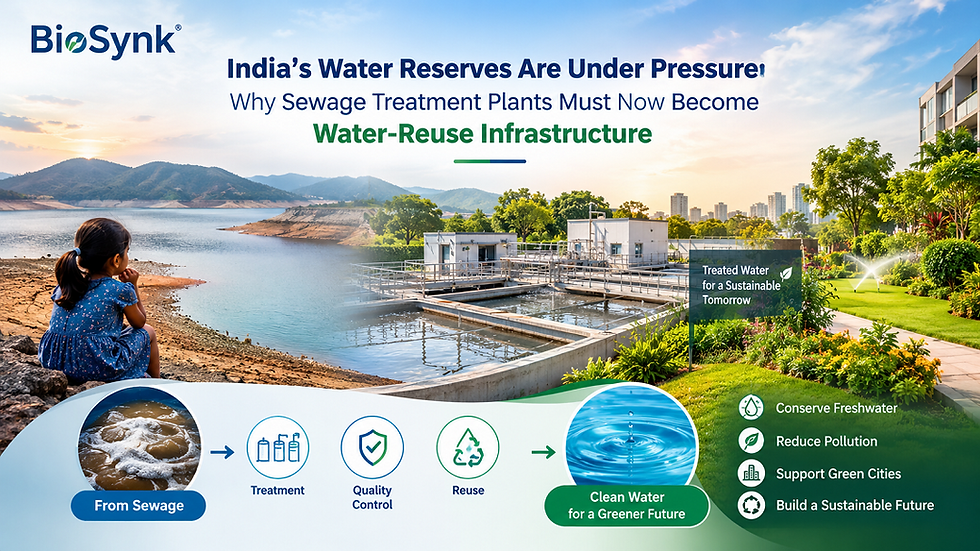
The Solution: Modern Sewage Treatment Plants (STPs)
The most effective way to protect groundwater is to stop pollution before it enters the environment.
Modern Sewage Treatment Plants (STPs) are designed to remove harmful contaminants from wastewater before discharge or reuse.
A properly designed STP can:
Remove harmful bacteria and pathogens
Reduce organic pollution
Eliminate suspended solids
Control nutrient contamination
Protect groundwater reserves
Enable water reuse
Ensure environmental compliance
By treating wastewater at its source, STPs prevent pollutants from reaching underground aquifers and safeguard public health.
Why Bio STP Technology Is the Future
Traditional wastewater systems often require significant space, maintenance, and operational costs.
Modern Bio STP solutions provide a sustainable alternative by offering:
Compact designs
Energy-efficient operation
Reduced sludge generation
Low maintenance requirements
High treatment efficiency
Water reuse capabilities
Environmentally responsible wastewater management
As India continues to urbanize, Bio STPs are becoming essential for residential apartments, industries, hospitals, educational institutions, commercial complexes, and municipal projects.
For businesses, builders, and institutions seeking reliable wastewater treatment solutions, Bio Synk offers advanced sewage treatment technologies designed to protect groundwater and support sustainable development.
Learn more about advanced sewage treatment solutions here:
Conclusion: Protecting Tomorrow's Water Today
Groundwater is one of India's most valuable natural resources. Yet every day, untreated sewage silently contaminates the water millions depend upon for survival.
The consequences are already visible in rising pollution levels, increasing health risks, environmental degradation, and growing pressure on freshwater resources.
The good news is that this crisis is preventable.
Investing in effective sewage treatment infrastructure today can protect groundwater, improve public health, conserve water resources, and create a cleaner future for generations to come.
The poison beneath our cities may be invisible, but the solution is clear: treat wastewater responsibly before it becomes tomorrow's environmental disaster.


Comments